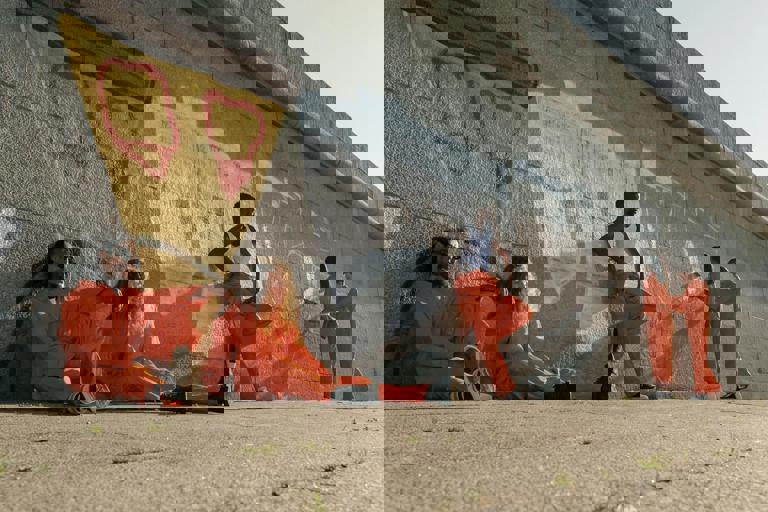
Across cities, a colorful new movement in public art is emerging that invites community participation in the creative process. Interactive public art murals, featuring paint-by-number elements, are brightening neighborhoods with vibrancy and engagement. These murals, designed by local artists, transform large building walls into collaborative canvases, allowing passersby to wield a brush and leave their mark. The initiative has quickly gained traction for its novel blend of artistry and inclusivity.
The concept of inviting the public to join mural-making isn’t entirely new, but the paint-by-number format gives participation fresh structure and accessibility. Artists carefully design the mural outlines and designate color sections, numbering each area for easy identification. When the project launches, community members of all ages and backgrounds can join in, following the simple instructions to paint their designated section, making it possible for even novice artists to contribute meaningfully.
The impact of these murals extends beyond beautifying blank walls. According to muralist Amara Singh, who recently led such a project, "We’re not just painting; we’re building community. People who might not otherwise interact find themselves laughing and working side-by-side." The sense of ownership and pride that emerges from these collaborative efforts often lingers, fostering ongoing engagement and stewardship for public spaces.
Civic leaders increasingly champion these projects for their ability to encourage social cohesion. City planner Daniel Berger notes that such murals help "activate public spaces and build bridges between diverse groups." By removing barriers to participation, the murals create opportunities for intergenerational learning and cross-cultural exchange. Children, seniors, newcomers, and longtime residents all find a place in the process, knitting tighter community bonds.
The logistical demands of orchestrating a large-scale, paint-by-number mural are considerable. Artists typically spend weeks planning the design, assembling materials, and outlining the mural on walls. Volunteer coordinators distribute paints, brushes, and step-by-step guides, ensuring that every participant is empowered to make a positive contribution. Local businesses often get involved by sponsoring supplies or refreshments for volunteers, further rooting the projects in the community.
Feedback on these interactive experiences has been overwhelmingly positive. Recent participant Emily Tran described painting her portion as "surprisingly meditative and deeply satisfying. It was amazing to see my small bit come together with everyone else's." Many who take part feel inspired to seek out similar opportunities, or even pursue their own creative ventures, enhancing a city’s broader cultural vitality.
Statistics support the positive effects of communal art projects. A 2022 survey conducted by the Community Arts Network found that over 80% of participants in paint-by-number mural initiatives reported increased neighborhood pride and a stronger sense of belonging. Furthermore, municipalities hosting such projects frequently observe a reduction in vandalism and graffiti in the immediate area, as residents become more invested in maintaining the beautified spaces.
These murals also act as catalysts for conversations about art and its role in public life. Passersby often stop to observe the process, exchanging stories or learning more about the artist’s vision. Murals featuring local themes or reflecting neighborhood histories spark additional dialogue, as community members see their own stories mirrored on city walls, deepening connections to place and heritage.
Artists working in this interactive format face unique creative challenges. Balancing their personal vision with community input requires flexibility and openness. As muralist Miguel Alvarez explains, "It’s a true collaboration. You lay the foundation, but ultimately the piece belongs to the community." Many artists relish this shift in authorship, viewing it as an opportunity to democratize art and push the boundaries of conventional mural-making.
Public response doesn’t just end with completion of the mural. Post-project, these spaces often become informal landmarks, serving as backdrops for local events, celebrations, and daily socializing. Tourists and locals alike are drawn to the sense of shared achievement, with many snapping photos or describing the mural’s creation as a highlight of their experience in the neighborhood.
The approach also dovetails with broader trends in urban design that emphasize placemaking and citizen engagement. City officials welcome initiatives that promote active participation, seeing them as cost-effective ways to activate underused public spaces. While some critics raise concerns about the long-term upkeep of community-made murals, most cities plan restoration programs or periodic touch-ups to keep the artworks looking fresh.
As interactive public art spreads, digital innovations are amplifying its reach. Some projects use QR codes embedded in the mural, allowing viewers to access time-lapse videos of its creation or hear from participants via short audio clips. Social media campaigns showcase individual contributions and document the mural’s progress, drawing even more people to the project and extending its impact beyond the immediate locale.
Looking ahead, artists and organizers hope to expand the model further. Plans are underway to incorporate environmental themes, adaptive technologies for barrier-free participation, and opportunities for school collaborations. The paint-by-number mural movement demonstrates how creativity, inclusiveness, and thoughtful design can powerfully transform public life—one brushstroke at a time—inviting everyone to join in the masterpiece building their communities together.